
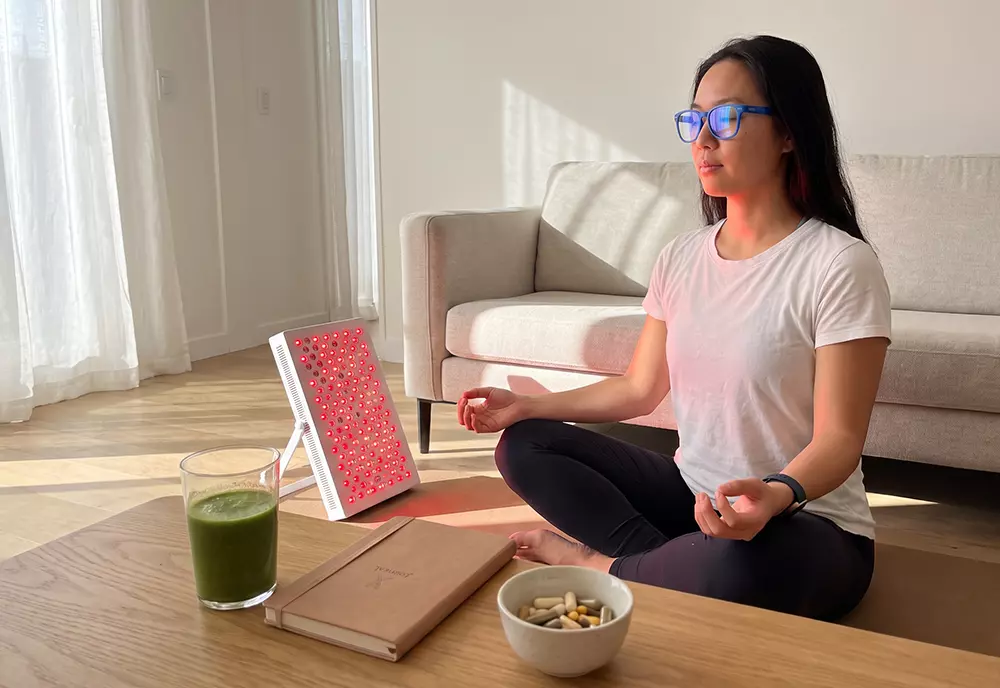
Biohacking sounds complicated. In practice, it is simply the art of making small, deliberate changes to how you live: your sleep, your food, your environment, your recovery, to get more out of your body and mind. No implants required. No extreme protocols. Just evidence-informed interventions that work with your biology rather than against it.
If you are new to biohacking, the sheer volume of options can feel overwhelming. Cryotherapy, peptides, neurofeedback, fasting protocols, red light panels, HRV monitors, where does a beginner even start? The answer is simpler than most online content suggests: start with the interventions that are safe, accessible, low-cost, and backed by solid science. Master those first. Build from there.
This guide presents the ten best biohacking treatments for beginners, chosen for their strong evidence base, low barrier to entry, and meaningful real-world impact. For Colorado Springs residents looking to go deeper, BioFunctional Health Solutions offers physician-led biohacking programs that build on these foundations with advanced diagnostics, clinical therapies, and personalized protocols.
What Is a Biohacking Treatment?
The term “biohacking treatment” is frequently searched, but it requires clarification. Biohacking is not a medical treatment for disease. Standard medical care is essential for diagnosing and managing health conditions.
Instead, biohacking interventions are proactive strategies used to measure your physiology, identify areas for improvement, and apply lifestyle or technological changes to enhance performance, resilience, and longevity. For beginners, this means shifting from passive health assumptions to active, measured self-care.
10 Best Biohacking Treatments for Beginners
These ten treatments provide a safe and effective starting point. They require minimal investment and offer significant returns when applied consistently.
1. Sleep Optimization
If there is one biohack that outperforms every supplement, device, and protocol on this list, it is sleep. Sleep is not passive rest; it is the primary maintenance window for your brain, hormones, immune system, and metabolic health. During deep slow-wave sleep, growth hormone is secreted for tissue repair. During REM sleep, emotional memories are processed, and cortisol levels are reset. The glymphatic system flushes neurotoxic waste from the brain. None of this happens adequately without sufficient, high-quality sleep.
Yet most adults chronically underestimate how poor their sleep quality is because the subjective sense of “feeling okay” does not reflect the cellular-level deficits that accumulate with each suboptimal night.
Beginner Sleep Optimization Protocol
- Consistent wake time: Wake at the same time every day, including weekends. This single change anchors your circadian clock more effectively than any supplement and is the foundation all other sleep interventions build upon
- Morning sunlight within 30 minutes of waking: 5-10 minutes of bright outdoor light sets your circadian clock, controls the cortisol awakening response, and programs melatonin onset 14-16 hours later. Free, available daily in Colorado Springs’ 300+ sunny days per year
- Cut caffeine after noon: Caffeine’s half-life is 5-7 hours. A 2 PM coffee still has half its dose active at 9 PM, reducing slow-wave sleep depth even when you fall asleep easily
- Cool, dark room: Core body temperature must drop 1-3°F to initiate and maintain deep sleep. A bedroom at 65-68°F and blackout curtains are two of the most impactful environmental tweaks
- No screens 60-90 minutes before bed: Blue-spectrum light suppresses melatonin. Use blue-light-blocking glasses or switch to warm-spectrum lighting in the evening
| Why Start Here?Every other biohack on this list works better when your sleep is optimized. Hormonal balance, metabolic health, cognitive performance, and physical recovery all depend on sleep quality as their baseline. Fix sleep first. |
2. Cold Water Therapy
Cold exposure is one of the most time-efficient biohacks available, delivering measurable physiological benefits in as little as 60 to 90 seconds per day. When your body is exposed to cold water, it triggers a cascade of adaptive responses: a surge of norepinephrine (up to 300% above baseline), activation of brown adipose tissue, improved insulin sensitivity, and a powerful parasympathetic rebound after the cold ends that many users describe as a calm, clear mental state lasting several hours.
You do not need an ice bath to start. A cold shower works. The key is consistency over intensity; regular, brief cold exposure produces cumulative adaptations that sporadic, extreme cold cannot.
- Start: End your normal shower with 30-60 seconds of cold water on the back of the neck and upper body. This is the beginner entry point
- Progress: Work toward 2-3 minutes of full cold shower, or brief cold water immersion if accessible
- Timing: Morning cold exposure produces the strongest energizing effect. Post-exercise cold exposure (20+ minutes after training) enhances recovery
- What to expect: Initial sessions feel intensely uncomfortable. By week two, most people notice significantly reduced perceived intensity and a consistent mood and energafterwardsterward
3. Intermittent Fasting (Time-Restricted Eating)
Intermittent fasting, specifically time-restricted eating (TRE), is not primarily a weight loss diet. It is a metabolic biohack that works by extending the fasting window your body naturally enters overnight, triggering biological processes that continuous eating suppresses: cellular autophagy (the clearance of damaged cellular components), AMPK activation (a longevity pathway that improves mitochondrial efficiency), reduced insulin secretion, and improved metabolic flexibility.
The simplest beginner protocol is a 12:12 window, 12 hours of eating, 12 hours of fasting. Most people already achieve this without trying. The upgrade is a 16:8 window (eating within an 8-hour period, fasting for 16), which research shows yields the most consistent metabolic and cognitive benefits.
- 16:8 beginner approach: Skip breakfast, eat your first meal at noon, finish eating by 8 PM. Or eat from 8 AM to 4 PM, whichever suits your schedule and social life
- What to drink during the fast: Water, black coffee, and plain tea are all acceptable. Anything with calories, including milk in coffee, breaks the fast metabolically
- Who should use caution: Pregnant or breastfeeding women, those with a history of disordered eating, and individuals with diabetes or insulin-dependent conditions should consult a physician before fasting
- What beginners notice first: Improved mental clarity in the late morning, reduced mid-morning energy crashes, and a more stable energy curve through the day, typically within 2-3 weeks of consistent practice
4. Red Light / Photobiomodulation (PBM) Therapy
Photobiomodulation (PBM), also called red light therapy or low-level laser therapy, uses specific wavelengths of red (630-700 nm) and near-infrared (700-1100 nm) light to stimulate mitochondrial energy production at the cellular level. When these wavelengths penetrate skin and tissue, they are absorbed by cytochrome c oxidase in the mitochondria, triggering increased ATP synthesis, reduced inflammation, improved circulation, and faster tissue repair.
For beginners, the most accessible and versatile entry point is a clinical PBM session or a quality home red light panel used consistently over several weeks.
- Skin and collagen: PBM stimulates fibroblast activity and collagen synthesis, one of the most studied and most visually obvious early benefits for new users
- Recovery and muscle soreness: Post-exercise PBM accelerates muscle repair by reducing inflammation and increasing ATP availability in fatigued tissue
- Brain fog and mood: Transcranial near-infrared light increases cerebral blood flow and BDNF, producing improvements in focus and mood that many users notice within 2-3 weeks
- Sleep quality: Evening PBM (non-blue-spectrum) appears to support sleep quality, possibly through circadian-compatible light exposure and melatonin pathway support
| Clinical vs. Home PBMConsumer red light panels vary enormously in quality and delivered power density. BioFunctional Health Solutions offers clinical-grade PBM with spectrometer-verified wavelengths and therapeutic power output, producing cellular effects that most home devices cannot match. For beginners unsure where to start, a few clinical sessions establish a clear baseline before investing in home equipment. |
5. Breathwork
Breathwork is the fastest-acting biohack on this list. Your breath is the only autonomic function you can consciously control, making it a direct dial to your nervous system. Slow, controlled breathing activates the vagus nerve, shifts the autonomic nervous system from sympathetic (fight/flight) to parasympathetic (rest/digest), lowers cortisol, improves heart rate variability, and produces measurable reductions in anxiety within minutes.
For beginners, two techniques cover the most ground with the least complexity:
- Box breathing (4-4-4-4): Inhale for 4 counts, hold for 4, exhale for 4, hold for 4. Repeat for 4-5 minutes. Used by Navy SEALs for acute stress regulation, highly effective before high-pressure situations, during anxiety, or as a morning practice
- Physiological sigh (1-2 minutes): Double inhale through the nose (first breath, then a shorter second sniff to fully inflate the lungs) followed by a long, slow exhale. This is the fastest single-breath nervous system reset available, reducing stress measurably within 30-60 seconds
- Slow resonance breathing (5-6 breaths/minute): The “sweet spot” breathing rate for maximum HRV and vagal activation. Use a 5-count inhale and a 5-count exhale. Practiced for 10-20 minutes daily, this produces cumulative improvements in stress resilience and nervous system flexibility
Breathwork requires no equipment, no cost, and no scheduling, making it the most universally accessible biohack on this list and an ideal foundation for every other practice here.
6. Magnesium Supplementation
Magnesium is the most clinically impactful single supplement a beginner biohacker can take, and the most widely deficient mineral in the Western diet, estimated to be suboptimal in 60-70% of adults. This matters because magnesium participates in over 300 enzymatic reactions in the body, including ATP synthesis (every molecule of cellular energy requires magnesium), NMDA receptor regulation (directly relevant to sleep quality and anxiety), muscle relaxation, and cortisol metabolism.
The gap between magnesium’s importance and dietary intake explains why many people notice surprisingly significant improvements from supplementation, such as better sleep, reduced muscle tension, a calmer mood, and improved energy, within 1-2 weeks of starting.
- Best beginner form: Magnesium glycinate, the glycine chelate, is the best-absorbed and most versatile form for beginners, producing sleep and anxiety benefits without the laxative effect of magnesium citrate or oxide at equivalent doses
- Dose: 300-400 mg elemental magnesium as glycinate, taken 30-60 minutes before bed. This timing leverages magnesium’s NMDA antagonism and muscle-relaxant properties for sleep improvement
- Dietary sources: Dark leafy greens, pumpkin seeds, dark chocolate, almonds, black beans, and avocado are the most magnesium-dense whole foods, though therapeutic doses from diet alone are difficult to achieve in most modern eating patterns
- Magnesium for athletes: Colorado Springs’ active population, hikers, cyclists, and runners, loses significant magnesium through sweat. Athletes should consider 400-500 mg/day and may benefit from testing RBC magnesium levels rather than standard serum magnesium, which is an unreliable marker of intracellular status
7. Grounding (Earthing)
Grounding, direct physical contact between bare skin and the earth’s surface, sounds almost too simple to be a legitimate biohack. The science, however, is more substantial than its low-tech nature suggests. The Earth’s surface carries a mild negative electrical charge, and direct skin contact allows free electrons to transfer from the ground into the body, where they act as antioxidants, neutralizing positively charged free radicals that drive oxidative stress and inflammation.
Published research on grounding has documented: reduced markers of systemic inflammation, improved sleep onset and architecture, reduced cortisol and normalized diurnal cortisol patterns, improved blood viscosity (reduced clumping of red blood cells), and accelerated wound healing. Colorado Springs’ access to natural terrain makes this one of the most accessible free biohacks available locally.
- How to start: 20-30 minutes of barefoot contact with natural ground, grass, soil, sand, or gravel, daily or as often as accessible. Sitting, standing, or walking are all equally effective as long as direct skin contact is maintained
- Indoor options: Grounding mats and sheets connected to an earthed outlet provide continuous grounding during sleep or desk work for those who cannot consistently access natural ground. Evidence for indoor grounding devices is less robust than direct outdoor contact but remains positive in small trials
- When beginners notice it most: Grounding’s effects on sleep are often reported within the first week of consistent use. Reduced post-exercise muscle soreness and calmer afternoon mood are other early observations reported by regular practitioners
8. Sauna / Heat Therapy
Regular sauna use is one of the most robustly evidenced longevity practices available. A landmark series of studies from the University of Eastern Finland (the Kuopio Ischemic Heart Disease study) found that sauna use 4-7 times per week was associated with a 40% reduction in all-cause mortality, a 50% reduction in cardiovascular disease mortality, and a 65% reduction in Alzheimer’s disease risk compared to once-weekly sauna use. These are extraordinary effect sizes for a single, accessible intervention.
The mechanisms are well-characterized: sauna exposure mimics the cardiovascular effects of moderate-intensity aerobic exercise (increasing heart rate to 100-150 BPM), stimulates heat shock protein production (cellular stress proteins that repair damaged proteins), raises growth hormone by 200-300%, reduces blood pressure, improves endothelial function, and triggers a profound parasympathetic rebound in the cooling period after sauna.
- Beginner protocol: 15-20 minutes at 80-100°C (traditional Finnish sauna), 3-4 sessions per week. This is the minimum frequency showing significant cardiovascular benefit in the Finnish studies
- Hydration: Drink 500ml of water before entering and replace fluid losses after. Sauna-induced dehydration amplifies the cardiovascular load in unhelpful ways; hydration is non-negotiable
- Cold contrast (advanced beginner): Alternating sauna and cold exposure, entering cold water or a cold shower after each sauna round, amplifies cardiovascular adaptation, norepinephrine release, and the subjective well-being effect. A popular protocol is 3 rounds of 15 min sauna / 2 min cold
- Infrared vs. traditional: Infrared saunas operate at lower temperatures (50-60°C) and penetrate tissue more deeply. Both produce benefits; traditional Finnish saunas have the most research, but infrared is more tolerable for temperature-sensitive beginners
9. HRV Tracking & Biofeedback
Heart rate variability (HRV), the beat-to-beat variation in the interval between your heartbeats, is the most sensitive real-time measure of autonomic nervous system function and physiological recovery available outside a clinical laboratory. High HRV reflects a well-regulated, resilient nervous system; low HRV indicates physiological stress, overtraining, illness, or sleep deprivation. Tracking HRV daily gives biohackers an objective, data-driven window into how their body is responding to all the other interventions on this list.
For beginners, wearable HRV tracking devices (Oura Ring, WHOOP, Garmin with HRV tracking, Apple Watch) provide accessible daily HRV measurements that, over weeks and months, reveal how specific inputs, alcohol, sleep quality, exercise intensity, stress, and fasting affect your nervous system recovery.
- How to use it: Track HRV every morning (best done immediately after waking, before getting up). Look for trends over days and weeks rather than reacting to single-day values. Your personal baseline matters more than population averages
- HRV biofeedback: Active HRV biofeedback, using slow resonance breathing (5-6 breaths/minute) while watching real-time HRV feedback on an app, trains the autonomic nervous system to operate at higher HRV. Daily 10-15 minute sessions produce measurable improvements in resting HRV over 4-8 weeks
- What it reveals for beginners: Most new trackers are surprised to learn that alcohol (even 1-2 drinks) reduces HRV for 24-48 hours, that late-night meals suppress HRV, and that even one poor night of sleep produces a measurable and predictable HRV drop, direct physiological feedback that motivates behavioral change more effectively than advice alone
| HRV Assessment at BioFunctional Health SolutionsBHS offers four-point salivary cortisol and autonomic function testing that contextualizes your HRV data within your full hormonal and stress landscape, identifying whether low HRV is driven by adrenal dysfunction, sleep disorders, nutritional deficiencies, or other reversible biological factors. |
10. Nutrient & IV Therapy
IV nutrient therapy represents the highest-leverage entry point into clinical biohacking, delivering therapeutic doses of vitamins, minerals, amino acids, and antioxidants directly into systemic circulation, bypassing the gastrointestinal absorption limitations that cap the efficacy of even high-quality oral supplements.
For beginners, IV therapy is not a replacement for foundational practices like sleep, nutrition, and movement. It is a targeted accelerant, most effective when used to correct documented deficiencies, accelerate recovery from a specific demand (illness, athletic event, jet lag, burnout), or provide a rapid experiential baseline that motivates the broader lifestyle changes biohacking builds toward.
- Myers’ Cocktail (the beginner standard): A combination of B-complex vitamins, vitamin C, magnesium, and calcium administered intravenously over 20-30 minutes. Produces rapid improvement in energy, immune function, and hydration — often experienced within the same session or by the following morning. The most widely administered IV nutrient formula with the longest clinical track record
- NAD+ infusion: IV NAD+ delivers an immediate cellular energy substrate that oral NAD+ precursors (NMN, NR) cannot match in speed or dose. Many recipients report a significant shift in energy and mental clarity within 1-3 sessions. Particularly valuable for individuals with fatigue, brain fog, or those recovering from burnout
- High-dose vitamin C: Immune support, collagen synthesis, and antioxidant protection at doses (10- 50 g IV) are impossible to achieve orally. Valuable for illness recovery, post-surgery healing, and high oxidative demand states
- Glutathione push: The body’s master antioxidant, delivered IV for systemic detoxification, liver support, skin brightening, and mitochondrial protection. Often administered alongside Myers’ Cocktail for a combined antioxidant and energy effect
| IV Therapy at BioFunctional Health Solutions, Colorado SpringsBHS offers physician-supervised IV nutrient therapy for energy, recovery, immune support, and performance. Sessions are preceded by biomarker assessment to ensure your infusion addresses your actual deficiencies, not a generic formula. |
How to Get Started: A Beginner Stacking Order
Biohacking works best when interventions are layered deliberately rather than attempted all at once. Here is the recommended order for beginners based on impact, accessibility, and how each intervention supports the next:
- Weeks 1-2 — Foundation: Sleep optimization + magnesium glycinate + morning sunlight. These three changes cost almost nothing and establish the hormonal and neurological baseline that everything else builds on
- Weeks 3-4 — Add breathwork + cold exposure: Daily breathwork (5-10 minutes) and ending showers with cold. Both are free, immediate, and begin training your autonomic nervous system for resilience
- Month 2 — Add movement practices + grounding: Structured exercise with HRV tracking to guide recovery; daily grounding when possible. Begin monitoring how your lifestyle choices affect your HRV baseline
- Months 2-3 — Introduce fasting + heat therapy: Extend your overnight fast to 14-16 hours; add regular sauna access if available. Both require more lifestyle adjustment and are better tolerated after the foundation is in place
- Months 3+ — Clinical interventions: PBM therapy, IV nutrient infusions, or physician-supervised assessment at BioFunctional Health Solutions to identify and address your specific biological gaps
Frequently Asked Questions
Is biohacking safe for beginners?
The ten treatments on this list are among the safest in the biohacking space, chosen specifically because they have strong safety records alongside evidence of efficacy. Sleep optimization, breathwork, grounding, and magnesium supplementation carry essentially no risk for healthy adults. Cold therapy, fasting, and sauna carry slightly more individual variability and are contraindicated in certain health conditions (cardiovascular disease, pregnancy, eating disorder history, insulin-dependent diabetes). A conversation with your physician before beginning is appropriate if any of these apply to you. IV therapy and clinical PBM at BioFunctional Health Solutions are administered under physician supervision with appropriate screening, making them safe within a properly managed clinical context. The general principle is to start with lifestyle-based practices, build consistency, and introduce clinical interventions with professional guidance.
How many of these should I do at once?
Starting with one to three practices and building mastery before adding more produces significantly better long-term results than attempting all ten simultaneously. The beginner stacking order above is designed to layer practices in a sequence where each supports the next. The most common beginner mistake is trying to implement everything at once, which leads to overwhelm, inconsistency, and the false conclusion that “biohacking doesn’t work for me” when the real issue is the pace of implementation. Pick the two or three practices that resonate most with your current challenges, build them into consistent daily habits, and add from there.
Do I need expensive equipment or supplements to start?
No. Seven of the ten treatments on this list are either free (sleep optimization, breathwork, grounding, cold shower therapy) or low-cost (magnesium glycinate is typically under $20/month, basic HRV tracking via smartphone apps costs nothing). Sauna access through a local gym or community facility is the only moderate expense in the foundational stack. PBM therapy and IV nutrient therapy are clinical investments that produce the most impact when foundational practices are already in place, so by the time you are ready for those, you will have already established whether the free practices are producing the results you are looking for. BioFunctional Health Solutions can also help you prioritize clinical investments based on your specific biomarker profile, ensuring resources are directed toward interventions with the highest individual impact.
Ready to Go Deeper? BioFunctional Health Solutions, Colorado Springs
The ten practices in this guide are a genuinely powerful foundation, and for many people, consistently implementing even four or five of them produces meaningful, measurable improvements in energy, recovery, mental clarity, and overall vitality. But foundational biohacking has limits. The most significant gains come when these practices are paired with a clear understanding of your individual biology: your specific hormonal status, nutritional deficiencies, mitochondrial function, inflammatory burden, and genetic risk factors.
That is where BioFunctional Health Solutions comes in. Our physician-led biohacking programs begin with comprehensive diagnostics that go well beyond standard blood panels to identify the precise biological bottlenecks limiting your performance and health. From that data, we build a personalized program that integrates clinical therapies (IV NAD+, PBM, BHRT, regenerative medicine, neurofeedback) with the lifestyle foundation you are already building.
| Book Your Biohacking Assessment in Colorado SpringsReady to go beyond the basics? Contact BioFunctional Health Solutions to schedule a comprehensive biohacking assessment. Our team will evaluate your biomarkers, identify your specific optimization opportunities, and design a personalized program that builds on your lifestyle foundation with targeted clinical interventions. |


